
Reviews
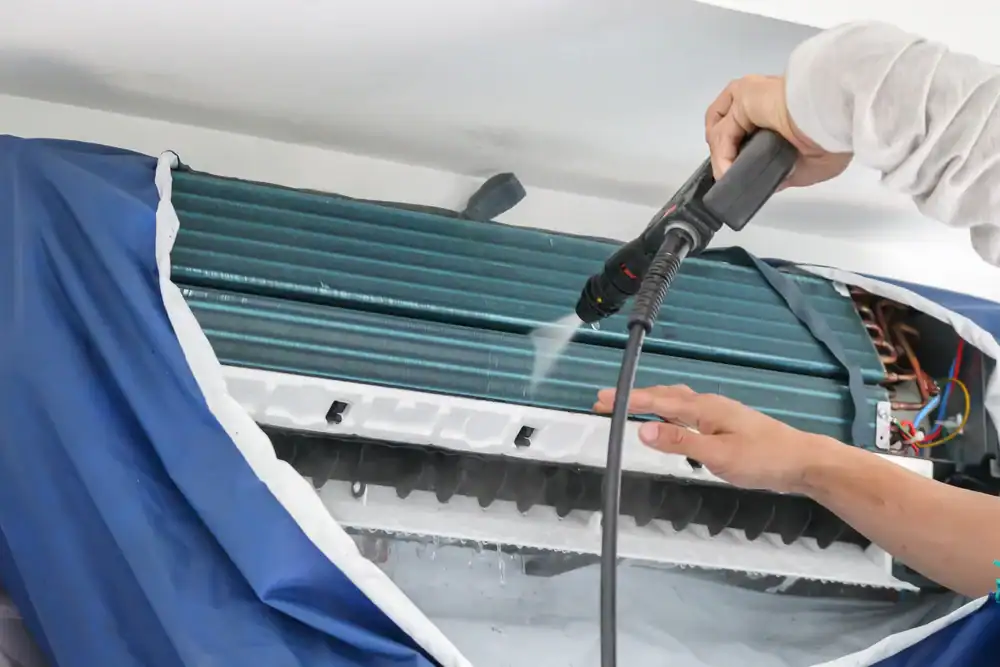
Your air conditioner is fighting a losing battle against Belford’s coastal climate. Salt air corrodes condenser coils. Humidity levels hit 70-80% on regular summer days. Your system works overtime just to keep up.
Regular AC maintenance cuts your energy costs by up to 10%. It catches small problems before they turn into expensive mid-summer failures. Most importantly, it extends the life of equipment that’s already under more stress than systems just a few miles inland.
You’re not looking for someone to sell you a new system. You want your current one to last as long as possible without breaking down when temperatures spike. That’s what a proper tune-up does—it keeps your AC running efficiently through the conditions that wear it down fastest.
We’ve served Monmouth County since 2014. We’re a family-owned business, which means you’re not getting a different crew every time or dealing with a call center three states away.
Our technicians are licensed and insured to work throughout New Jersey. More importantly, we understand what salt air does to HVAC equipment and how to maintain systems in coastal towns like Belford. Inland units can last 15 years with basic care. Here, you need someone who knows the difference.
We’re available 24/7 because AC failures don’t wait for business hours. You’ll get upfront pricing, no hidden fees, and the same crew that shows up is the one that finishes the job.

We start with your outdoor unit because that’s where coastal damage shows up first. Salt buildup on condenser coils, corroded electrical connections, rusted cabinet panels—these are the things that fail without warning if you don’t catch them early.
Inside, we check refrigerant levels, test airflow, clean or replace filters, and inspect your evaporator coil for mold or buildup. High humidity means your system removes more moisture, which creates more opportunities for problems. We make sure drainage is clear and humidity control is working the way it should.
The whole process takes about an hour. You’ll know exactly what condition your system is in, what needs attention now, and what to watch for later. If we find something that needs repair, we’ll explain what it is, why it matters, and what it costs before we do anything.

Ready to get started?
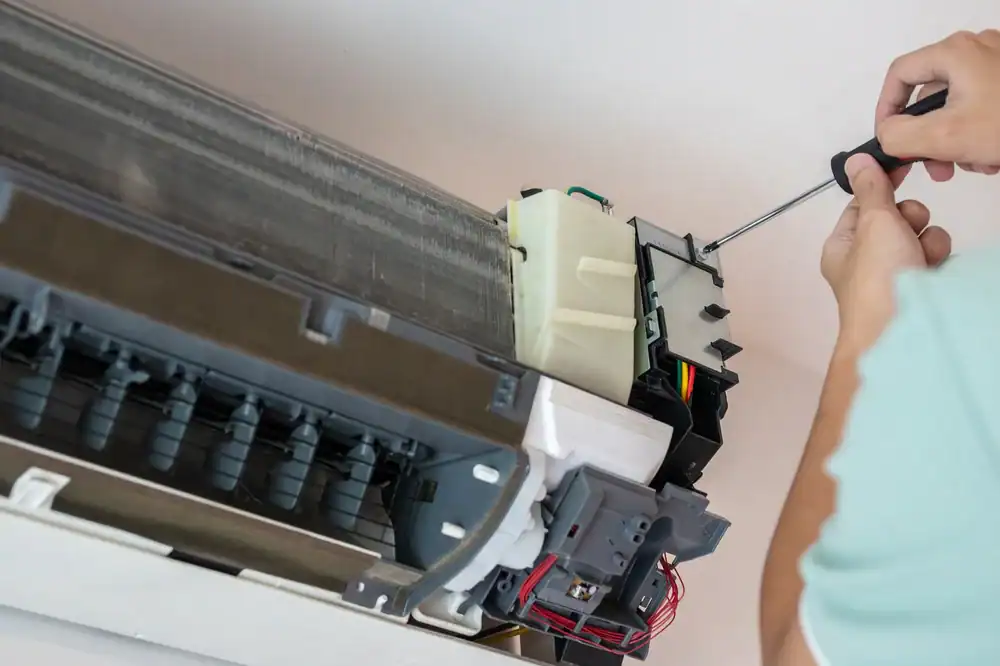
Our maintenance service covers 21 inspection points. That includes cleaning condenser coils, checking refrigerant charge, testing electrical connections, inspecting ductwork for leaks, calibrating your thermostat, and verifying your system is removing humidity properly.
In Belford, we pay extra attention to salt air damage. Coastal systems need different care than inland units. We look for early signs of corrosion, check that cabinet seals are intact, and make sure your coils aren’t caked with salt residue that kills efficiency.
You’ll also get a filter change if needed. During New Jersey summers, filters clog faster because of pollen and humidity. A dirty filter makes your system work harder, which drives up your energy bill and increases wear on components.
This isn’t a quick visual check. It’s a full inspection and cleaning that reduces the chance of a breakdown by over 50% and can cut your cooling costs by up to 10% compared to a system that hasn’t been maintained.

Once a year, ideally in spring before cooling season starts. That timing lets you catch problems before you’re relying on your AC every day.
If your home is within a few miles of the water, you might benefit from twice-yearly service. Salt air accelerates wear, and a second check in fall can catch corrosion or damage that developed over the summer. Most homeowners in Belford do fine with annual maintenance as long as it’s thorough and includes coastal-specific inspection points.
The worst time to find out your AC needs repair is during a heat wave. Spring maintenance means you’re not competing with emergency calls when everyone else’s system is failing at once.
We’ll explain what we found, why it matters, and what it costs to fix. You decide whether to handle it now or later.
Some issues need immediate attention—low refrigerant, failing electrical connections, or anything that could cause a breakdown. Other things can wait but should be on your radar for the next few months. We’re not here to sell you repairs you don’t need, but we’re also not going to ignore a problem that’s going to leave you without AC in July.
You’ll get clear pricing before any work starts. No surprises, no pressure. If you want a second opinion or need time to think about it, that’s fine. The goal is to give you enough information to make the right call for your situation.
Yes. Over half of AC failures could be avoided with proper maintenance. Most breakdowns happen because of things that are easy to catch early—dirty coils, low refrigerant, worn electrical connections, clogged drainage.
The problem is that these issues don’t announce themselves until they cause a failure. Your AC might seem fine right up until it stops working. A tune-up finds those problems while they’re still small and cheap to fix.
That doesn’t mean maintenance makes your system bulletproof. Parts wear out, and sometimes things fail even when you’ve done everything right. But your odds of making it through summer without an emergency repair call go way up when someone who knows what to look for checks your system before the heat arrives.
A well-maintained system uses about 10% less energy than one that’s been neglected. That difference adds up over a cooling season, especially when your AC is running daily through summer humidity.
Dirty coils make your system work harder to move heat. Low refrigerant reduces efficiency. A clogged filter restricts airflow and forces your blower motor to strain. All of these things increase your energy use, and all of them are addressed during a proper tune-up.
You’re not going to see a 50% drop in your electric bill. But if your system is running more efficiently, cycling less frequently, and not fighting against dirt and debris, you’ll use less power. For most homeowners, that means the maintenance pays for itself within a season or two.
You can handle some basics—changing filters, keeping debris away from your outdoor unit, making sure vents aren’t blocked. Those things matter and you should do them.
But a real tune-up requires checking refrigerant levels, testing electrical components, cleaning coils properly, and inspecting parts you can’t easily access. You need gauges, tools, and the license to handle refrigerant legally. More importantly, you need to know what normal wear looks like versus early signs of failure.
In coastal areas like Belford, you also need someone who understands how salt air affects equipment. Corrosion that looks minor can be a bigger problem than it appears. A professional inspection catches those things before they turn into expensive failures or safety hazards.
Salt air is the biggest difference. It corrodes metal components faster, builds up on condenser coils, and shortens equipment life if you’re not addressing it regularly. Systems a few miles inland can last 15 years or more with basic maintenance. Coastal units face more aggressive conditions.
We clean salt residue off coils, check for early corrosion on electrical connections and cabinet panels, and make sure seals are intact to keep salt air from reaching internal components. Standard maintenance doesn’t always include these steps because they’re not necessary everywhere—but they matter here.
High humidity is the other factor. Your AC removes moisture from the air, which means more condensation, more drainage, and more opportunities for mold or clogs. We make sure your system is handling humidity properly and that drainage lines are clear. Coastal homes need their AC to control moisture as much as temperature, and that requires specific attention during maintenance.