Reviews
You’re not scheduling AC maintenance because you love spending money on your HVAC system. You’re doing it because you don’t want to wake up on the hottest day in July with no cold air and a $2,000 repair bill staring you down.
Here’s what regular air conditioner service actually gets you. Your system runs cleaner, which means it doesn’t work as hard to cool your home. That drops your energy bills by 10-20% during peak summer months when Ocean County humidity makes everything worse. Your equipment lasts longer—we’re talking years longer—because small issues get caught during routine hvac system inspection before they cascade into major failures.
And when you’re on a maintenance schedule, you’re not competing with everyone else’s emergency when things go wrong. You get priority scheduling. You get familiarity with your system. You get someone who knows your setup and can troubleshoot faster when you actually need help.
Most homeowners in Bay Head only call when something’s already broken. That’s the expensive way to own an AC system. The smarter play is catching wear before it turns into failure.
We’ve been serving Monmouth County homeowners for over a decade. We’re locally owned, which means when you call, you’re talking to people who live and work in the same communities you do.
Our technicians are licensed, insured, and trained on the systems most common in Bay Head homes—especially the high-efficiency units that coastal properties rely on to handle humidity and salt air exposure. We’re available 24/7 for emergencies, but our whole approach is built around preventing those emergencies in the first place.
You’ll get upfront pricing before any work starts. No hidden fees, no surprise charges after the fact. We explain what we find, what it means for your system, and what your options are. Then you decide.
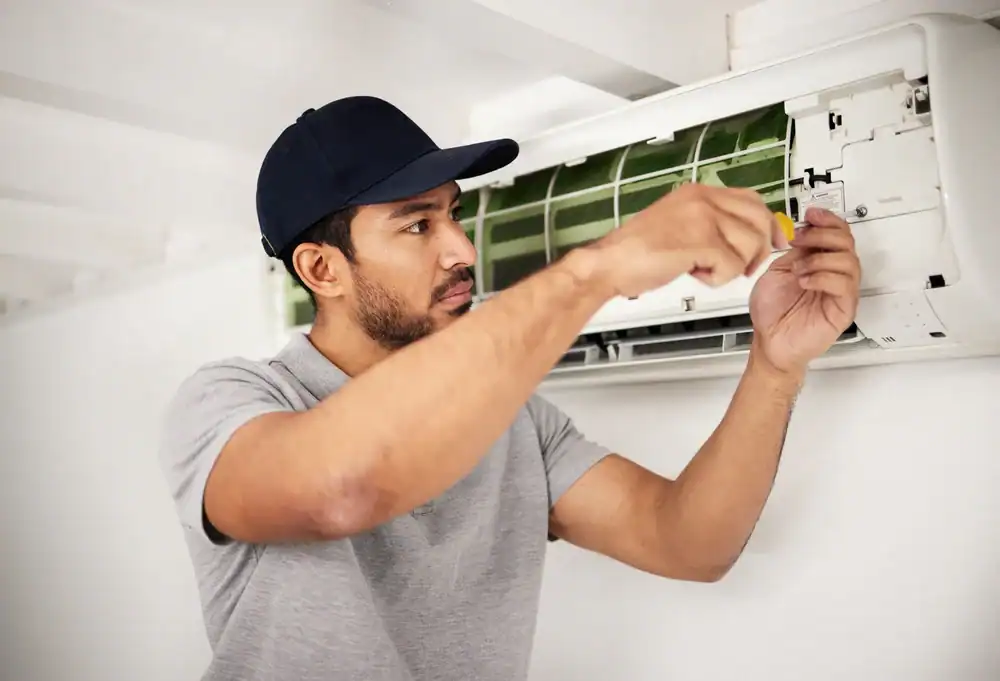
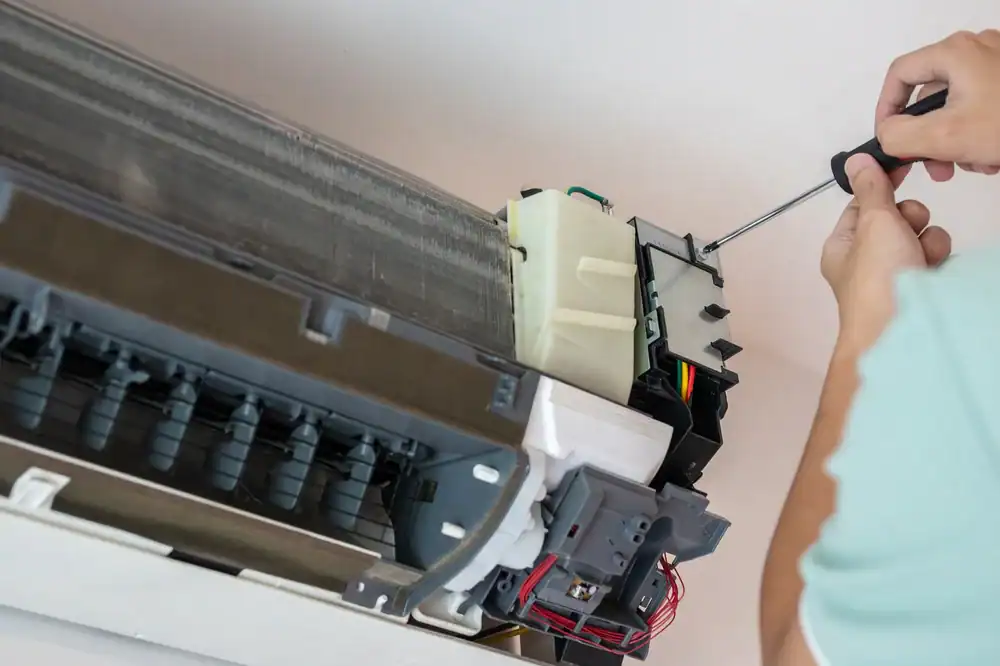
When we show up for your ac tune-up, we’re not just changing a filter and calling it done. Here’s what actually happens.
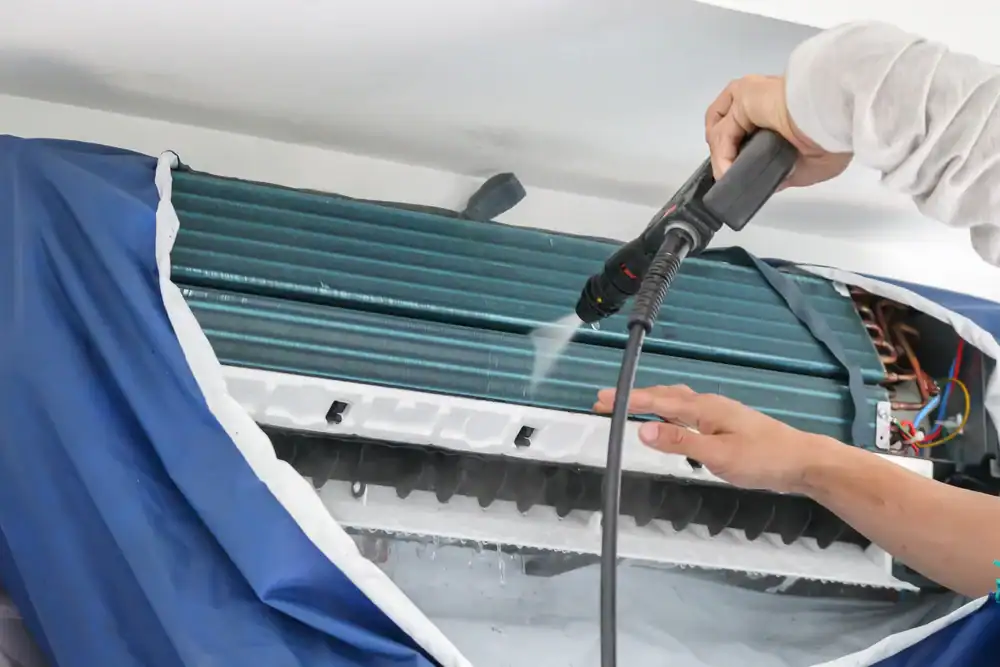
First, we inspect your entire system—indoor and outdoor units. We check refrigerant levels, because low refrigerant means your system works harder and cools less. We clean your condenser coils, which get caked with coastal dirt and salt residue here in Bay Head. Dirty coils kill efficiency and shorten equipment life.
We test your thermostat calibration, inspect electrical connections, and tighten anything that’s come loose from vibration over the year. We check your condensate drain to make sure it’s clear—clogs lead to water damage and system shutoffs. We examine your blower components and lubricate moving parts that need it.
Then we run your system through a full cycle and measure performance. You get a clear report on what we found, what’s working well, and what might need attention soon. If something needs repair, we explain it in plain terms and give you a price before touching anything.
The whole process takes about an hour for most systems. You walk away knowing exactly where your AC stands before summer heat arrives.

Ready to get started?
Your hvac cleaning service covers everything your system needs to run efficiently through Bay Head’s humid summers. We’re talking full condenser coil cleaning, which matters more here than inland because salt air accelerates buildup. We check and adjust refrigerant levels to manufacturer specs—this alone can restore 10-15% of lost cooling capacity.
You get a complete electrical inspection, including capacitor testing. Capacitors fail more often than most components, and they’re cheap to replace during maintenance but expensive when they fail mid-summer and take your compressor with them. We verify your thermostat is reading accurately and communicating properly with your system.
Filter replacement or cleaning is included, and we inspect your ductwork for obvious leaks or disconnections. We clear your condensate line and check the drain pan for rust or damage. Every moving part gets inspected for wear, and we lubricate what needs it.
Bay Head’s coastal location means your outdoor unit takes more abuse than systems a few miles inland. We pay extra attention to corrosion, especially on fins and fasteners. Catching this early prevents refrigerant leaks and compressor damage that can cost thousands to fix.
You also get a written report detailing system performance, any concerns we found, and recommendations for keeping everything running well. No pressure, just information so you can make smart decisions about your equipment.

Once a year, ideally in spring before cooling season starts. That timing matters because you want to catch any issues before you’re relying on your system daily during summer heat.
If your system is older than 10 years, or if you’re running it heavily from May through September, twice-yearly service makes sense. The extra inspection in fall helps catch problems that developed during peak use before they sit all winter and get worse.
Bay Head’s coastal environment is harder on AC equipment than inland locations. Salt air accelerates corrosion on outdoor components. Humidity means your system works harder and longer than it would in drier climates. More runtime means more wear, which is why sticking to an annual maintenance schedule matters more here than it might elsewhere.
We stop and explain what we found before doing anything. You’ll get a clear description of the issue, why it matters, and what it’ll cost to fix. Then you decide whether to handle it now or later.
Some problems need immediate attention—like a refrigerant leak that’s actively damaging your compressor. Others can wait, like a capacitor that’s testing weak but still functional. We’ll tell you the difference so you can make an informed choice based on your budget and priorities.
If you approve a repair, we give you upfront pricing before starting work. No surprises when the bill comes. If the repair is major and you want time to think about it or get other opinions, that’s fine too. We’re not here to pressure you into anything. Our job is to give you accurate information about your system’s condition so you can make the right call for your situation.
It catches most problems while they’re still cheap to fix. A $150 capacitor replacement during maintenance beats a $2,500 compressor replacement after the capacitor fails and takes out your compressor. A refrigerant top-off during service costs a fraction of what you’ll pay for emergency service plus repair after your system stops cooling.
Maintenance doesn’t prevent every possible failure—equipment still wears out eventually. But it dramatically reduces the odds of catastrophic breakdowns and extends your system’s working life by years. Clean coils, proper refrigerant levels, and tight electrical connections mean your system doesn’t work as hard, which means components last longer.
The data backs this up. Systems on regular maintenance schedules last 15-20 years on average. Systems that only get attention when they break typically need replacement after 10-12 years. The difference in equipment life alone pays for maintenance several times over, and that’s before counting the emergency repair calls you avoid.
Standard residential ac tune-up service typically runs $150-$300 depending on your system size and type. That covers the full inspection, cleaning, testing, and minor adjustments your system needs. If we find something that needs repair, that’s quoted separately before any work happens.
We offer upfront pricing, so you’ll know the cost before scheduling. No hidden fees or surprise charges after we’re done. If you’re a repeat maintenance customer, you get priority scheduling and preferred rates on any repair work needed throughout the year.
Many homeowners find that the 10-20% reduction in energy bills during summer months covers a significant portion of the maintenance cost. When you factor in fewer repairs and longer equipment life, regular service pays for itself. But even if you’re just looking at it as insurance against a $2,000 summer breakdown, it’s a smart investment for Bay Head’s climate where AC failure isn’t just uncomfortable—it’s miserable.
Maintenance is preventive—it’s servicing a working system to keep it running well and catch small issues before they become big ones. Repair is fixing something that’s already broken or failing. The work overlaps sometimes, but the timing and cost are completely different.
During maintenance, we’re cleaning components, checking performance, testing parts for early wear, and making minor adjustments. Everything we do is designed to prevent future problems. The system is working when we arrive, and it works better when we leave.
Repair happens when something’s already wrong. Your AC isn’t cooling, or it’s making noise, or it’s short-cycling, or it’s frozen up. Now we’re diagnosing a failure, sourcing parts, and fixing what broke. Repair almost always costs more than maintenance because you’re paying for failed components plus the labor to replace them, often on an emergency timeline when you need cooling immediately.
The smartest approach is regular maintenance to minimize repair needs. You’ll still eventually need repairs as equipment ages, but you’ll need them less often and they’ll rarely be emergencies that happen at the worst possible time.
You can handle some basics—changing filters regularly, keeping the outdoor unit clear of debris, making sure vents aren’t blocked. Those things help and you should do them. But they’re not a substitute for professional hvac system inspection and service.
The work that actually prevents breakdowns requires specialized tools and training. Checking refrigerant levels and pressures requires gauges and certification. Cleaning condenser coils properly without damaging fins takes the right equipment and technique. Testing electrical components, measuring airflow, and calibrating controls isn’t DIY territory for most homeowners.
More importantly, a trained technician spots early warning signs you wouldn’t recognize. A capacitor testing slightly weak, a bearing that’s starting to wear, corrosion that’s developing where it’ll cause problems in six months—these are things that only show up during professional inspection. Catching them early is the whole point of maintenance.
If you’re comfortable with basic upkeep between professional visits, that’s great and it helps your system. But annual professional service is what actually protects your investment and prevents expensive failures. Think of it like changing your own oil versus taking your car in for scheduled maintenance—both matter, but they’re not interchangeable.