
Reviews
You’re not maintaining your AC just to check a box. You’re protecting an expensive piece of equipment from conditions that cut its lifespan in half.
Coastal air accelerates corrosion on condenser coils and metal components. Salt attaches to everything. Humidity forces your system to work overtime. Without regular inspections, you’re looking at premature failure—often years before the same unit would quit inland.
A well-maintained system uses up to 20% less energy. It breaks down less often. It cools more evenly. And when summer hits full force, it doesn’t leave you scrambling for emergency repairs at peak rates.
Most homeowners skip maintenance until something breaks. The ones who stay ahead of it spend less overall, deal with fewer headaches, and get more years out of their investment. That’s the difference between reactive and preventative care.
We’ve been serving Monmouth County for years, and we’ve seen what happens when AC systems aren’t maintained properly in shore towns like Allenhurst. The homes here are different—many built before 1940, with unique layouts and vintage systems that need specialized attention.
We’re licensed, insured, and local. That means we understand how salt air affects your equipment, how humidity creates mold issues, and how historic homes require different approaches than newer construction. We’re not a national chain. We’re your neighbors, and we’re available 24/7 when things go wrong.
You get upfront pricing, no hidden fees, and technicians who actually explain what’s happening with your system. We’re not here to upsell you—we’re here to keep your AC running efficiently for as long as possible.
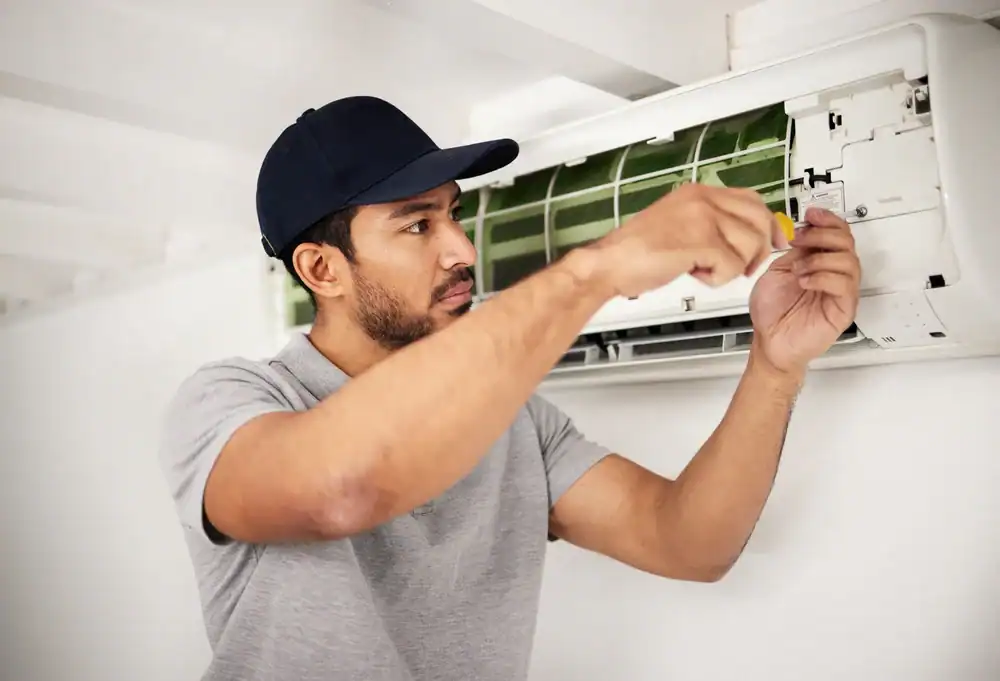
We start with a full system inspection—checking refrigerant levels, testing electrical connections, and examining your condenser coils for corrosion. In coastal areas, this step catches problems before they become expensive failures.
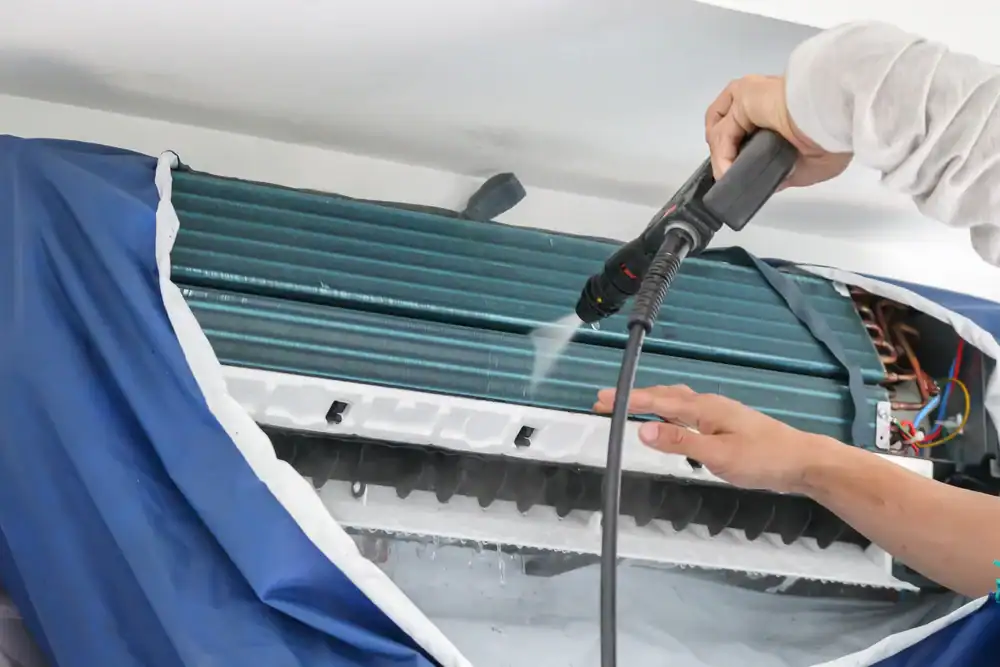
Next, we clean your system. That includes the coils, the drain line, and the area around your outdoor unit. Salt buildup and debris reduce efficiency fast, so this isn’t optional maintenance—it’s essential for shore properties.
We test airflow, calibrate your thermostat, and make sure your system is cooling evenly across all zones. If you’ve got a multi-level home or an attic conversion, we pay extra attention to those trouble spots that tend to run too hot or too cold.
Before we leave, you get a clear report on what we found, what we fixed, and what (if anything) needs attention down the road. No surprises. No pressure. Just honest information so you can make the right call for your home.

Ready to get started?
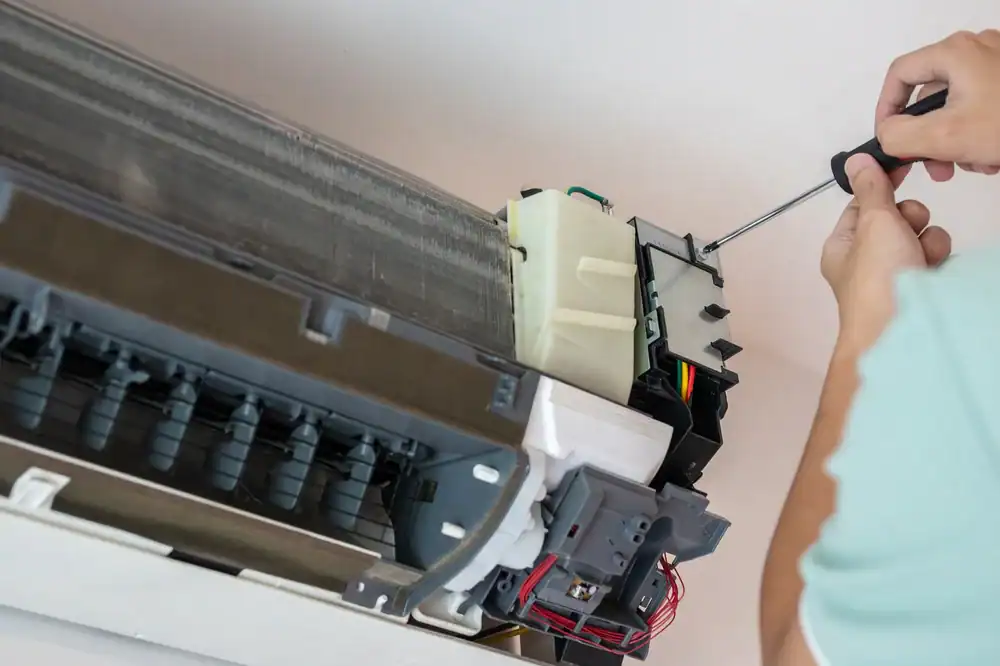
Every hvac system inspection covers the components that fail most often in coastal climates. We check refrigerant levels, because low refrigerant makes your system work harder and cool less effectively. We inspect electrical connections, which corrode faster near the ocean. We clean condenser coils, which collect salt and grime that choke airflow.
We also look at your ductwork, especially if you live in one of Allenhurst’s older homes. Leaky ducts waste energy and create uneven temperatures. We test your thermostat to make sure it’s reading accurately and cycling your system properly. And we clear your condensate drain line, because humidity here clogs drains faster than almost anywhere else.
If you’ve added smart thermostat technology, we’ll make sure it’s programmed correctly. Most homeowners don’t realize their settings are costing them money. Small adjustments can cut your cooling costs significantly without sacrificing comfort.
This isn’t a quick walkthrough. It’s a thorough hvac cleaning service designed specifically for the conditions your system faces in Allenhurst, NJ. You’re not getting a generic checklist—you’re getting maintenance that accounts for salt air, high humidity, and the unique challenges of cooling a coastal home.

Once a year, ideally in spring before cooling season starts. That’s the standard recommendation for most climates.
But coastal systems face harsher conditions. Salt air accelerates wear. Humidity forces your AC to run longer cycles. If your home is right on the water or you run your system heavily, twice-a-year service isn’t overkill—it’s smart prevention.
Annual maintenance catches most problems early. It keeps your system efficient and extends its lifespan. Skipping it means you’re gambling on a breakdown during the hottest weeks of summer, when repair costs spike and availability drops. One emergency call can cost more than years of preventative tune-ups.
Your system works harder, uses more energy, and fails sooner. Dirty coils reduce efficiency by up to 30%. Low refrigerant makes your compressor overheat. Clogged drain lines cause water damage.
In Allenhurst, neglect accelerates faster because of coastal exposure. Corrosion that takes a decade inland can happen in three years here. Your AC might limp along for a while, but you’ll pay for it in higher electric bills and a shorter overall lifespan.
Most systems last 8-12 years near the shore with proper care. Without it, you’re looking at 5-7 years before major components start failing. That’s thousands of dollars in replacement costs you could have avoided with basic annual service.
Yes, and the savings are measurable. A well-maintained AC uses 15-20% less energy than a neglected one. That’s because clean coils transfer heat better, proper refrigerant levels reduce compressor strain, and calibrated thermostats prevent unnecessary cycling.
In a shore town where you’re running your AC from May through September, that efficiency difference adds up fast. You’re not just saving a few dollars—you’re cutting hundreds off your annual cooling costs.
The other benefit is consistent comfort. An efficient system cools evenly and maintains temperature without the constant on-off cycling that drives up your bill. You get better performance and lower costs at the same time, which is exactly what maintenance is supposed to deliver.
Absolutely. Homes built before 1940 weren’t designed for central air. Ductwork is often added later, sometimes in tight spaces or awkward configurations. That creates airflow issues you won’t find in newer construction.
Older homes also tend to have less insulation, more air leaks, and multi-level layouts that make even cooling difficult. Your third floor might be 10 degrees warmer than your first floor, which means your AC runs constantly trying to balance things out.
During maintenance, we pay extra attention to duct condition, airflow balance, and zone control. We look for opportunities to improve efficiency without tearing apart your historic home. Sometimes it’s sealing ducts, sometimes it’s adjusting dampers, sometimes it’s recommending a smart thermostat that handles multiple zones better. The goal is making your vintage home as comfortable as possible with the system you have.
Salt air changes everything. It corrodes metal components faster, clogs coils with residue, and degrades electrical connections. A standard maintenance checklist doesn’t account for those conditions.
We specifically inspect for coastal corrosion—checking cabinet panels, condenser coils, and refrigerant lines for early signs of salt damage. We clean more thoroughly because buildup happens faster here. And we recommend humidity control options, because South Jersey summers put extra strain on your system’s dehumidification capacity.
Coastal systems also need different replacement timelines. Components that last 15 years inland might need replacing in 8-10 years near the water. We track that during maintenance so you’re not blindsided by a sudden failure. It’s about understanding what your equipment faces and adjusting our approach accordingly.
Significantly more expensive. Emergency calls cost more because you’re paying for immediate availability, often during peak demand when every HVAC company is slammed. Parts cost more when you need them same-day. And the repairs themselves are often more extensive because the problem wasn’t caught early.
A typical maintenance visit costs a fraction of what you’ll pay for an emergency compressor replacement or a refrigerant leak repair during a July heatwave. One avoided breakdown pays for multiple years of preventative service.
The bigger issue is timing. Systems don’t fail on mild spring days—they quit when you need them most. That means discomfort, disruption, and scrambling to find available service. Regular ac tune-up visits eliminate most of those scenarios. You’re trading a small, predictable cost for protection against large, unexpected ones.