Dealing with no hot water from your shower? Discover what's blocking your flow—from mineral buildup to faulty valves—and when you need professional help.
Share:
Summary:
You turn the shower handle all the way to hot and wait. Nothing. Or maybe you get a weak trickle that’s barely warm. Meanwhile, your bathroom sink is running scalding hot just fine. This isn’t a water heater problem—it’s something specific to your shower, and it’s fixable. Understanding what causes hot water flow issues helps you know whether you’re looking at a simple cleaning job or something that needs professional attention. Let’s walk through what’s actually happening and what you can do about it.
When your shower loses hot water but other fixtures work fine, you’re dealing with a localized problem. The issue sits somewhere between your water heater and that shower head. Most of the time, it’s one of a handful of common culprits.
Mineral deposits from hard water build up inside the shower head itself, blocking the tiny holes where water flows through. Monmouth County’s water supply contains elevated levels of calcium and magnesium, which means this buildup happens faster here than in areas with softer water. What starts as slightly reduced pressure turns into a trickle, then nothing at all.
The shower valve cartridge controls the mix of hot and cold water reaching your shower head. When washers wear out or the cartridge itself fails, you might get only cold water even when the handle is turned to full hot. Sometimes mineral buildup inside the valve prevents it from opening properly on the hot water side.
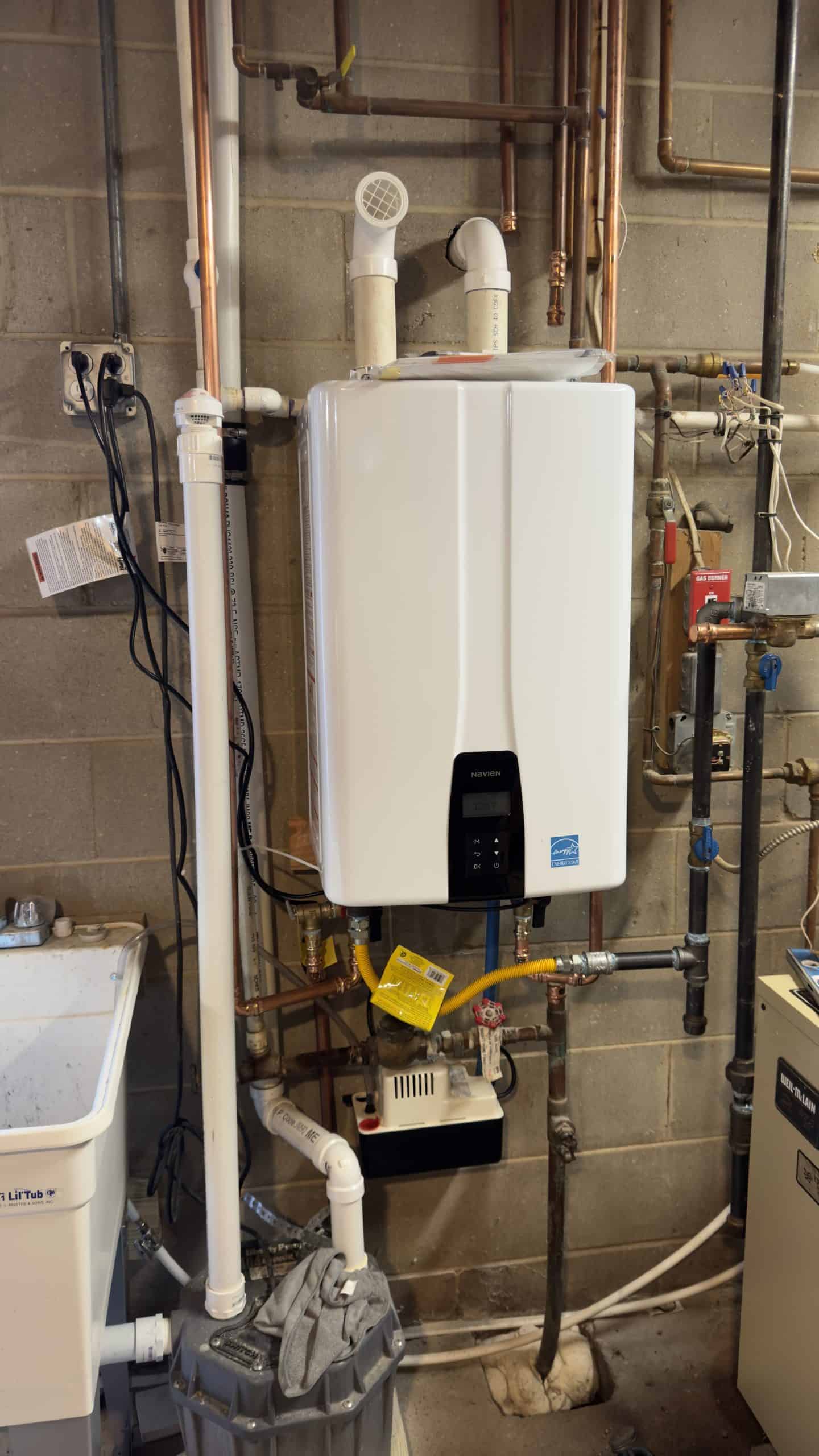
Scale buildup is what you see crusted around your faucets and shower head—white, chalky deposits that get harder over time. Inside the shower head, these minerals clog the small passages and nozzles that control water flow. You might notice the spray pattern changing before the flow stops completely.
The fix is straightforward if you catch it early. Remove the shower head and soak it in white vinegar for a few hours. The acid in vinegar dissolves calcium and magnesium deposits. An old toothbrush helps scrub away stubborn buildup. If the shower head is heavily calcified or the internal screen is damaged, replacement makes more sense than cleaning.
Here’s the thing about mineral buildup—it doesn’t just affect the shower head. The same deposits form inside pipes, valves, and the water heater tank itself. If you’re constantly dealing with clogged fixtures, you’re treating symptoms while the underlying hard water issue continues. A whole-house water softener addresses the root cause, protecting all your plumbing fixtures and appliances from accelerated wear.
Coastal properties in Monmouth County face an additional challenge. Salt air accelerates corrosion on metal components while hard water creates internal scaling. This combination means shower fixtures wear out faster here than inland. Regular maintenance becomes more critical, not less.
Inside your shower wall sits a valve that mixes hot and cold water to create the temperature you want. This mixing valve contains a cartridge with internal seals, washers, and passages that control water flow. When these components wear out, fail, or get clogged with mineral deposits, your shower stops delivering hot water properly.
The pressure-balancing valve serves a dual purpose. It regulates the ratio of hot to cold water and maintains consistent pressure to prevent sudden temperature swings. Over time, especially in showers that aren’t used regularly, corrosion and mineral buildup can ruin the cartridge. You might notice the handle feeling stiff or gritty when you turn it. Sometimes the hot water side stops flowing entirely while cold water works fine.
Replacing a shower cartridge requires taking apart the faucet assembly. You’ll need to shut off water to the fixture, remove the handle and trim plate, pull out the old cartridge, and install a new one with the correct orientation. The cartridge must match your specific faucet model—there’s no universal part. If you install it backwards or use the wrong cartridge, you’ll have cold water when you want hot and vice versa.
This repair sits in the grey area between DIY and professional work. If you’re comfortable with basic plumbing and can identify your faucet model, you might handle it yourself. But mistakes here can damage the valve body behind your shower wall, turning a simple cartridge replacement into a much more expensive repair involving wall access. Many homeowners find that calling us saves time, prevents damage, and ensures the job is done right the first time.
The anti-scald device adds another layer of complexity. This safety feature, also called a hot limit stop or rotational limit stop, prevents your shower from delivering dangerously hot water that could cause burns. It’s basically a stopper that limits how far your handle can rotate toward the hot side. If this device is set too restrictively from the factory or gets adjusted accidentally, it might prevent adequate hot water from reaching your shower even when everything else works perfectly.
When cold water stops flowing throughout your entire house, you’re dealing with a different category of problem. This isn’t a single fixture issue—something has affected your whole water supply system. The most common cause is a closed shutoff valve, either at the main water line or at individual fixture connections.
Check your main water shutoff valve first. It’s usually located in the basement, near the water heater, or where the main line enters your house. Someone might have partially closed it during recent plumbing work and forgotten to fully reopen it. A valve that’s only halfway open restricts flow to every fixture in your home.
If all your faucets deliver only hot water or lukewarm water instead of cold, you might have a cross-connection somewhere in your plumbing system. This happens when hot and cold water lines get improperly connected, allowing hot water to flow backward into the cold water line. Single-handle faucets with failed cartridges can create this condition, affecting water temperature throughout the house.
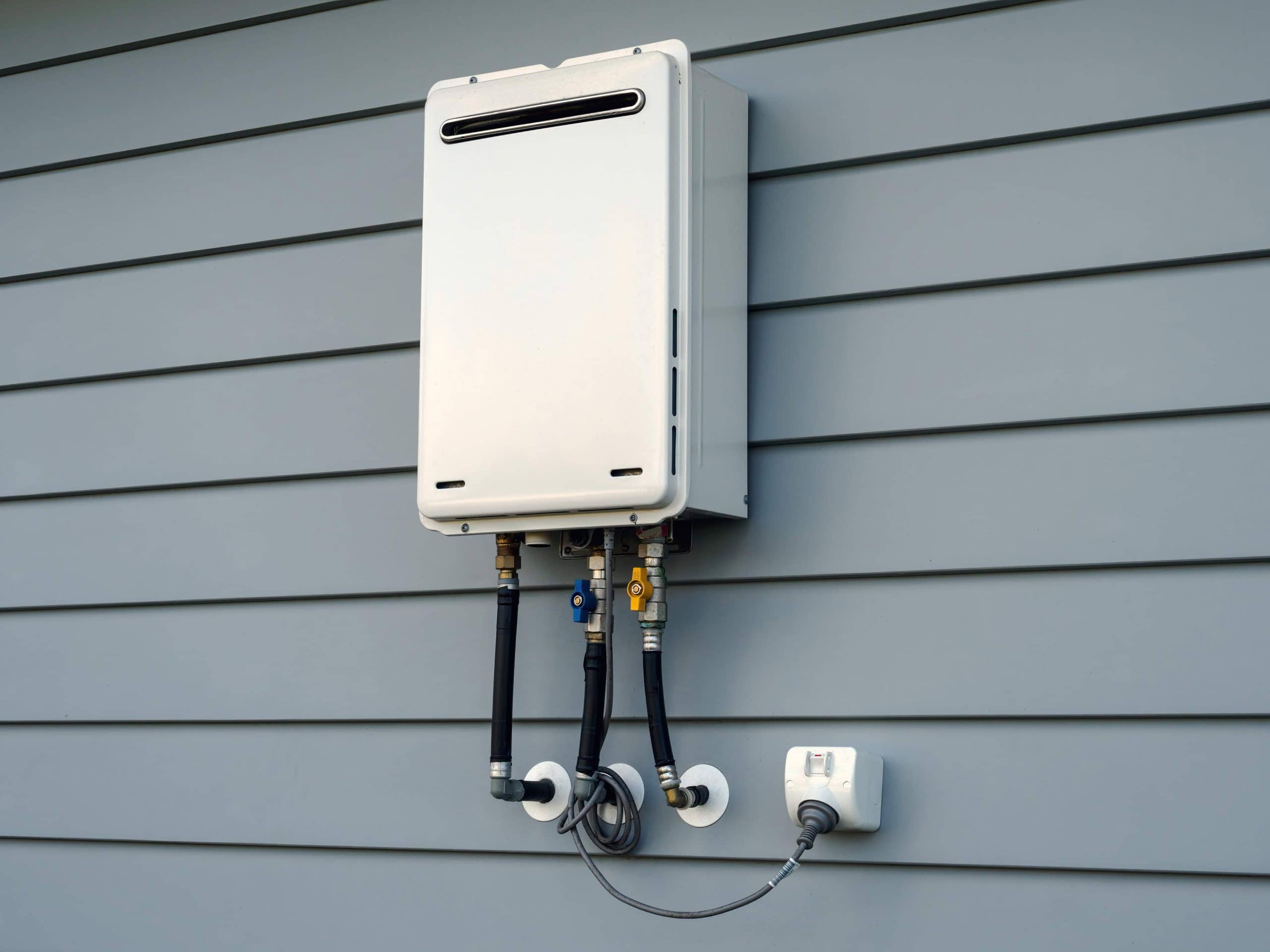
Every plumbing fixture in your home has individual shutoff valves that control water flow to just that location. These small valves, usually found under sinks or behind toilet access panels, allow you to stop water to one fixture without affecting the rest of your house. Sometimes these valves get accidentally turned during cleaning or maintenance.
For shower and tub installations, shutoff valves might be located in an access panel, in the basement below the bathroom, or in a wall cavity. If you can’t find them easily, they might not be readily accessible. This is one reason why shower problems can be more complicated than sink issues—access is harder.
Main water supply problems occasionally affect entire neighborhoods. If your water pressure suddenly drops or stops at all fixtures, check with neighbors to see if they’re experiencing the same issue. The water utility company might be performing maintenance or repairs on the main line. In these cases, service usually resumes within hours.
Frozen pipes create a different kind of supply problem. During cold snaps, pipes in uninsulated areas can freeze solid, blocking water flow. Cold water pipes freeze before hot water pipes because they’re not warmed by water heater output. If you suddenly lose cold water during freezing weather, frozen pipes are the likely culprit. Thawing them requires care—forcing the process can cause pipes to burst, creating water damage that’s far more expensive than the original problem.
When hot water stops working at multiple fixtures throughout your house, the problem has shifted from individual fixtures to your water heater itself. A failing heating element, tripped circuit breaker, or thermostat issue can leave you with only cold water. Gas water heaters might have pilot light or gas valve problems that prevent the burner from heating water.
Sediment buildup inside the water heater tank is particularly common in Monmouth County due to hard water. Minerals settle at the bottom of the tank, creating a barrier between the heating element and the water. This forces your system to work harder and longer to reach target temperatures. Eventually, heavy sediment accumulation can cause the heating element to fail entirely.
The dip tube is a component most homeowners have never heard of, but when it fails, hot water doesn’t last. This tube directs cold water to the bottom of the tank where it gets heated. If the dip tube breaks or becomes dislodged, cold water mixes with hot water at the top of the tank, and you get lukewarm water that runs out quickly.
Water heater age matters. Tank-based units typically last 8-12 years before needing replacement. If your water heater is approaching or past this age and you’re experiencing hot water problems, repair might not be your best option. Older units are less efficient, more prone to failure, and often cost more to repair than they’re worth. A new water heater with modern efficiency standards can actually lower your utility bills while providing reliable hot water.
Diagnosing water heater problems requires specialized knowledge and tools. You’re dealing with high-temperature water, electrical components or gas connections, and pressurized systems. Mistakes here create safety hazards and potential water damage. Professional diagnosis identifies whether you need a simple thermostat adjustment, a heating element replacement, or a full unit replacement. The coastal environment in Monmouth County adds complexity—salt air corrodes components faster, and humidity affects electrical parts, meaning water heaters here face more stress than units inland.
Most shower hot water problems fall into one of a few categories: clogged fixtures you can clean yourself, worn valve components that need replacement, or water heater issues that require professional diagnosis. Understanding which category you’re dealing with helps you make better decisions about repairs.
Simple cleaning and valve checks are worth trying first. But when you’re facing valve repairs, water heater problems, or anything involving wall access, professional help saves you time and prevents costly mistakes. The minutes you spend troubleshooting give you valuable information to share with us, helping us diagnose the problem faster.
Don’t let shower problems linger. What starts as reduced hot water flow can progress to complete failure, often at the worst possible time. Early intervention means simpler repairs and lower costs. When you need reliable diagnosis and repair for shower and water heater issues in Monmouth County, we provide the expertise and prompt service that gets your hot water flowing again.
Article details:
Share:
Continue learning: